Dental Blog - Fairfield, CA
Tips, Facts, And The
Latest In Dentistry

How Long Dental Implants Last: What Fairfield, CA Patients Should Know
How Long Dental Implants Last: What Fairfield, CA Patients Should Know
If you are considering a tooth implant, one of the first questions is usually how many years it will really hold up. For anyone researching How Long Do Dental Implants Last? What Fairfield, CA Patients Should Know, the practical answer is that different implant parts last different lengths of time. This guide explains the typical lifespan of dental implants, what affects longevity, how the healing timeline fits in, and what to ask before starting treatment in Fairfield, CA.
The Short Answer on Dental Implant Lifespan
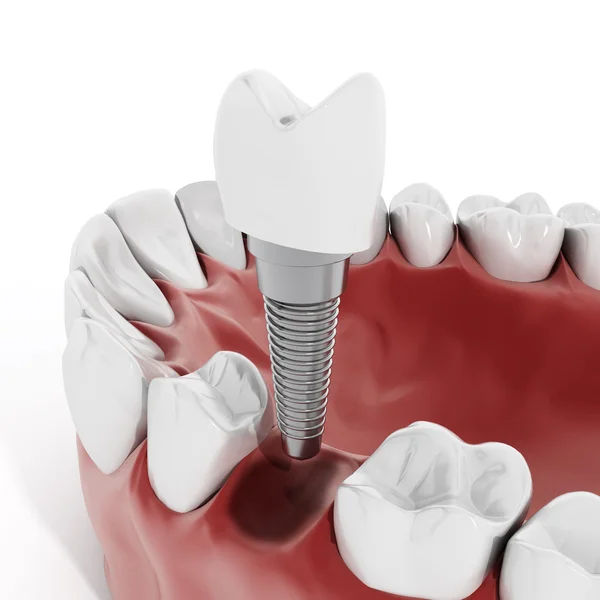
Dental implants are built for long-term function, but they are not one single part. The implant post, which sits in the jaw and supports prosthetic teeth, can often last 10 to 30 years and in many cases much longer with strong oral hygiene and regular dental visits.
The abutment, which connects the post to the restoration, often lasts about 10 to 20 years. The crown, which takes the daily bite force and visible wear, commonly lasts around 10 to 15 years before crown replacement may be needed.
That is why many dentists say implants can last a lifetime when implant placement is done well and long-term care is consistent. Still, no dental restorations come with a forever guarantee, and realistic expectations matter.
Why Different Implant Parts Last Different Lengths of Time
The three main parts are the implant post, the abutment, and the crown. The post is protected inside bone after osseointegration, while the crown faces chewing pressure, grinding, and normal material wear.
Material choice, restoration design, and bite alignment also matter. In most cases, the crown shows age first, while the implant post remains stable.
What Affects How Long Dental Implants Last
The biggest factors in implant dentistry are oral hygiene, gum health, and maintenance. Daily brushing, flossing, plaque control, professional cleanings, and regular dental visits help protect the tissues around the implant and reduce the risk of gum disease and peri-implantitis.
Several risk factors can shorten lifespan or raise implant failure risk. Smoking, uncontrolled diabetes, teeth grinding, bone loss, and infection can all interfere with healing or long-term support.
Clinical quality matters just as much as home care. Bone density, bone quality, surgical planning, implant placement, and restoration design all influence success rate, including the commonly cited 10-year success rate of roughly 90-95% success rate in healthy patients.
Local patients in Fairfield should ask about more than surgery alone. A good consultation should also cover maintenance schedules, bite evaluation, and long-term care planning.
Patient Habits That Help Implants Last Longer
Brushing and flossing around the implant every day lowers plaque buildup and helps prevent peri-implant disease. Patients with bruxism may also benefit from a night guard to reduce overload and mechanical stress.
Clinical Factors Your Dentist Should Evaluate
Your dentist should review bone density, gum condition, bite alignment, and medical history before treatment. A personalized plan is far more useful than a one-size-fits-all claim about longevity.
Healing Time vs. Long-Term Longevity
Healing after surgery is not the same thing as how long dental implants last. The recovery timeline covers the first days and months after the procedure, while longevity refers to how many years the implant and restoration continue functioning well.
Soft tissue healing often begins within about two weeks. Osseointegration, sometimes described as bone fusion between the implant post and jawbone, usually takes about 3 to 6 months depending on bone quality and the dental implant process used.
That early healing period is critical because it creates the foundation for long-term stability. If healing goes well, the odds of durable function improve significantly.
What Fairfield Patients Can Expect After Placement
Mild soreness, swelling, and temporary diet changes are common after implant placement. Many patients can return to work quickly, though comfort level and the complexity of the procedure will affect the exact healing timeline.
When Healing Problems Can Threaten Implant Success
Problems such as infection, poor bone integration, or excess pressure on the implant can disrupt healing. Warning signs include worsening pain, unusual swelling, bleeding, mobility, or symptoms that do not improve as expected.
Common Reasons Dental Implants Fail or Need Repairs
Not every problem means true implant failure. Sometimes the implant post remains healthy, but the crown is worn, the abutment loosens, or another repairable issue affects the restoration.
True failure is often linked to peri-implantitis, smoking, poor oral hygiene, or overload from bruxism and heavy bite force. These issues can damage supporting bone and soft tissue over time.
It is also important to know that crown replacement may happen long before the implant post needs attention. Abutment replacement is less common, but it can be necessary in some cases.
Early Failure vs. Late Failure
Early failure usually happens during healing. It is often tied to infection, movement, or lack of osseointegration.
Late failure tends to develop after years of function. It is more often related to bone loss, gum disease, peri-implantitis, or long-term mechanical stress.
What Patients Are Often Not Told Up Front
Implants are not a set-it-and-forget-it solution. They need maintenance, monitoring, and long-term care just like natural teeth and other dental restorations.
Some patients also need added procedures such as bone grafting before treatment. Over time, costs may include crown replacement, repairs, or other changes in the replacement timeline.
What Fairfield, CA Patients Should Ask Before Getting Dental Implants
Before treatment, ask how long each component is expected to last in your case. A useful consultation should explain the likely lifespan of the implant post, abutment, and crown based on your gum health, bone support, bite, and medical history.
You should also ask whether bone grafting may be needed, what the recovery timeline will look like, and how maintenance visits will be scheduled. It is smart to ask about future costs tied to crown replacement, abutment replacement, or other long-term care needs.
Patients in Fairfield who want expert guidance can explore Dental Implants and affordable care options. For a consultation with Dr. Matthew Kuzma through Kuzma DDS Cosmetic & Implant Dentistry, patients can also contact the office or call 703-352-2500.
Frequently Asked Questions
What don’t they tell you about dental implants?
Dental implants can last a long time, but they still need daily cleaning and regular checkups. Some patients also need bone grafting, future crown replacement, or other maintenance over time.
When are dental implants most likely to fail?
Risk is often highest early in healing if osseointegration does not occur properly. Later problems are more commonly linked to peri-implantitis, smoking, poor hygiene, or grinding.
What is the downside of dental implants?
Potential downsides include cost, surgery, healing time, and the need for pretreatment in some cases. Long-term success also depends on maintenance, not just the implant itself.