Dental Blog - Fairfield, CA
Tips, Facts, And The
Latest In Dentistry

Dental Implant Procedure in Fairfield, CA: From Consultation to Final Crown

Dental Implant Procedure in Fairfield, CA: From Consultation to Final Crown
If you are dealing with a missing tooth, it is normal to wonder how long treatment takes and what each appointment involves. For patients researching Dental Implant Procedure in Fairfield, CA: Step-by-Step from Consultation to Final Crown, the process is usually more predictable than it first appears. This guide explains each stage, from the first consultation to crown placement, so you know what to expect.
What the Dental Implant Process Involves
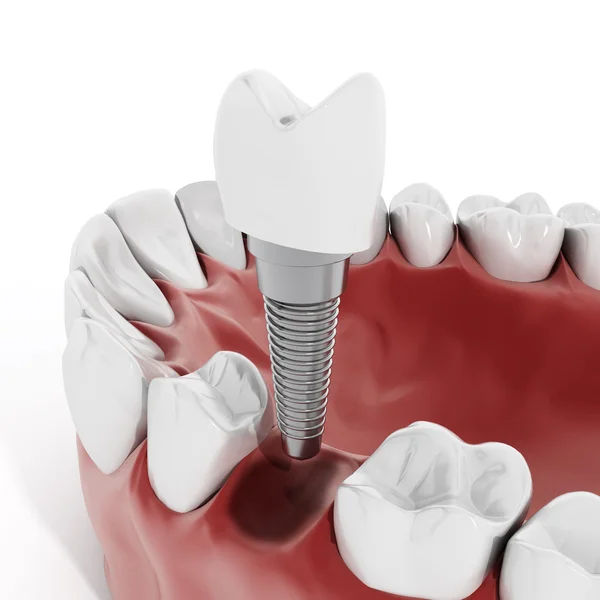
A dental implant is an artificial tooth root placed in the jawbone to support a replacement tooth. The full restoration usually includes the titanium implant or implant post, an abutment, and a final crown designed to match your smile.
This guide is for patients missing one tooth, dealing with tooth loss in several areas, or considering a long-term tooth replacement option. It can apply to a single-tooth implant, multiple teeth replacement, an implant-supported bridge, or an implant-supported denture.
Most implant dentistry happens in stages rather than in one visit. Healing time between steps is important because the implant procedure depends on the jawbone bonding securely to the implant before the custom crown is attached.
Step 1: Consultation, Exam, and Treatment Planning
The process starts with a consultation that includes your medical history, oral exam, gum health review, and an evaluation of the missing tooth or teeth. Your dentist also looks at bite forces, the pattern of tooth loss, and whether nearby teeth affect implant placement.
Diagnostics often include digital X-rays and 3D imaging, sometimes with a CBCT scan. These tools help measure bone density, jawbone volume, sinus position, and the angles needed for safe, accurate placement.
Candidacy depends on several factors, including healthy gums, adequate bone, smoking habits, and conditions such as uncontrolled diabetes. A dentist also considers whether clenching or grinding may place too much force on the restoration.
After the exam, treatment planning turns the findings into a personalized roadmap. That plan outlines the implant timeline, number of implants, restoration type, and any steps needed before surgery.
When Bone Grafting or Extraction Is Needed First
Some patients need tooth extraction before the implant can be placed. Others benefit from socket preservation or a bone graft to rebuild support where bone has shrunk.
A bone graft can improve long-term implant stability and restorative results. It may also add weeks or months to the healing timeline before the implant procedure moves forward.
Step 2: Implant Placement and Early Recovery
At the surgical visit, the area is numbed with local anesthesia, and sedation may be offered for comfort. The dentist then places the titanium implant into the prepared site and closes the area if needed.
Most patients find discomfort manageable with standard post-op care and pain management instructions. Soft foods, rest, and prescribed or over-the-counter medication are commonly enough for the early healing process.
Short-term symptoms can include swelling, tenderness, mild bruising, minor bleeding, and temporary chewing limits. These effects are usually strongest in the first few days and improve gradually.
Good aftercare protects the implant stability during early healing. Patients should keep up with oral hygiene, avoid smoking, and follow all instructions about rinsing, eating, and activity.
What Happens During Implant Surgery
The usual sequence is straightforward: numb the area, prepare the site in the bone, place the implant post, and confirm stability. In some cases, a temporary crown or temporary teeth can be placed right away.
Other cases heal under the gums first before any visible tooth is attached. That decision depends on implant stability, bite pressure, and the restorative plan.
The First Few Days After Surgery
The first few days are often the most uncomfortable part of treatment. Ice packs, rest, soft foods, and careful cleaning around the site usually help symptoms settle down.
Follow the office instructions closely and call if bleeding seems excessive or swelling worsens after several days. Prompt attention matters if there are signs of infection.
Step 3: Healing, Osseointegration, and Abutment Placement
After surgery, the body begins osseointegration, which means the jawbone fuses with the implant surface. This bond is what turns the implant into a stable foundation for the replacement tooth.
Healing commonly takes a few months, though the exact healing timeline varies. Bone quality, implant location, grafting, and overall health all influence how quickly the site is ready.
During this period, follow-up visits allow the dentist to monitor progress and confirm that healing is on track. Clinical checks, digital X-rays, or other imaging may be used to assess implant stability.
Once the implant is ready, the abutment is placed as the connector between the implant and the crown. In some cases, the abutment is placed at the time of surgery, but many patients receive it after integration is confirmed.
What Can Affect the Healing Timeline
Bone density, gum health, smoking, and systemic health conditions can all slow healing. A previous bone graft or a complex surgical site may also extend the timeline.
Rushing the crown before full osseointegration can compromise success. Patience during healing protects the long-term result.
Signs Healing Is on Track
Healing is usually progressing well when tenderness decreases and the gum tissue looks calm and stable. Imaging or a clinical exam should also show healthy support around the implant.
Report persistent pain, mobility, swelling, or drainage right away. Those signs can point to infection or another issue that should be evaluated promptly.
Step 4: Final Crown Placement and Long-Term Care
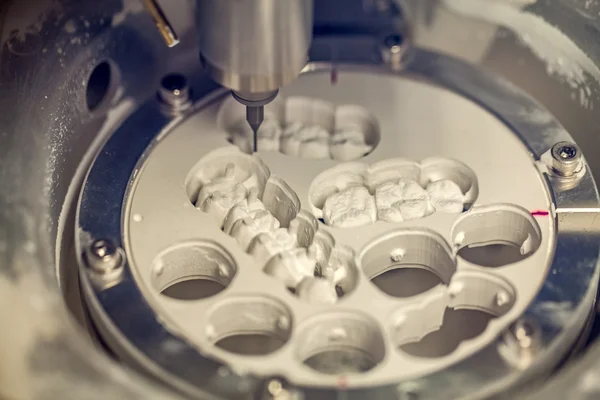
The restorative phase begins with impressions or digital scans so the lab can create a custom crown. Shade matching and bite adjustment help the final result blend naturally and function comfortably.
It helps to understand the parts involved. The implant sits in the bone, the abutment connects above it, and the final crown is the visible tooth-shaped restoration.
A well-made final crown should feel secure, balanced, and natural in appearance. It should allow normal chewing without feeling bulky or loose.
Long-term care still matters after crown placement. Brushing, flossing, professional cleaning, and a periodic exam help protect both the implant and surrounding gum tissue.
Common Mistakes to Avoid After Treatment
Skipping hygiene visits can allow inflammation to develop around the implant. Smoking, teeth grinding without a night guard, or using the implant like a tool can also shorten its lifespan.
Timeline, Cost Factors, and Key Takeaways for Fairfield Patients
A straightforward case may move from consultation to crown faster than a case involving extraction, grafting, or complex bite issues. That is why the implant timeline varies from patient to patient, even when the steps are similar.
Cost factors can include imaging, tooth extraction, bone graft procedures, implant components, abutment design, crown material, and surgical complexity. Generic online price ranges rarely reflect the full treatment plan.
Ask for a written estimate that separates the implant, abutment, and custom crown fees. It is also smart to ask about insurance coordination and affordable care options.
The main takeaway is simple: from consultation to crown, the process is staged and highly planned. For many Fairfield, CA patients, understanding each step makes treatment feel more manageable and worthwhile.
Final Steps
Long-term success depends on both the procedure and daily maintenance. For more information, patients can review Dental Implants or visit Kuzma DDS Cosmetic & Implant Dentistry. Fairfield, CA patients often start by speaking with an experienced provider such as Dr. Matthew Kuzma. You can request information through the contact page or call 703-352-2500.