Dental Blog - Fairfield, CA
Tips, Facts, And The
Latest In Dentistry

Zirconia vs. Traditional Dental Bridges in Fairfield, CA: Which Option Is Better?
Zirconia vs. Traditional Dental Bridges in Fairfield, CA: Which Option Is Better?
A missing tooth can turn simple things like chewing function, speaking clearly, or smiling for photos into daily frustrations. When comparing options through the lens of Zirconia Bridge vs. Traditional Bridge in Fairfield, CA: Which Is Better?, the right answer usually comes down to your bite force, the tooth’s location, and how visible the gumline is when you smile. This guide explains how bridges work, what zirconia changes, and how to choose a design that fits your goals and long-term maintenance needs.
How Dental Bridges Work (And What “Zirconia” Changes)
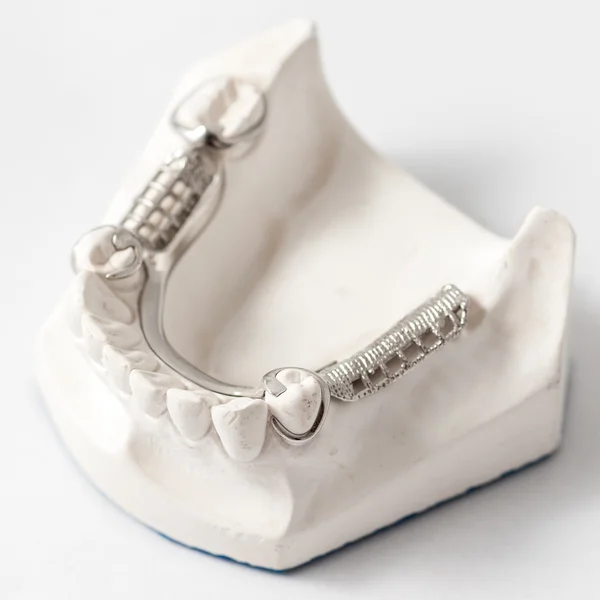
A dental bridge is a fixed bridge that replaces missing teeth by spanning the gap with a false tooth called a pontic, held in place by crowns on the neighboring abutment teeth. It replaces the visible chewing surface and appearance of the missing tooth, but it does not replace a natural tooth root unless the bridge is implant-supported.
There are two big categories of bridges based on support type: a tooth-supported bridge (anchored to natural teeth) and an implant-supported bridge (anchored to dental implant fixtures). Material choice is separate from support type, meaning you can discuss zirconia, porcelain-fused-to-metal, or other ceramics whether the bridge is tooth-supported or implant-supported.
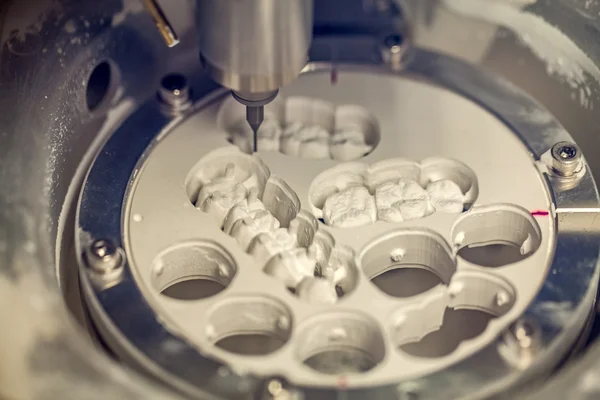
Zirconia is an engineered ceramic used to make dental crown and bridge restorations, often selected for its fracture resistance and metal-free appearance. A zirconia fixed bridge can be made with modern CAD/CAM workflows, including digital impressions, so a dental lab can design and fabricate a precise restoration through milling.
In Fairfield, CA, patients commonly seek bridges after tooth loss from decay, fracture, or old dental work that fails over time. Replacing missing teeth can help restore chewing function, reduce tooth shifting, and improve confidence, especially when the gap is visible in the smile.
Traditional Bridge Materials You’ll Hear About
Porcelain-fused-to-metal (PFM) uses a strong metal substructure with porcelain layered on top for a tooth-colored look. It has a long track record, but over time some people notice a darker line at the gumline, especially if gum recession exposes the edge of the restoration.
All-ceramic/porcelain options include what many people casually call a porcelain bridge, although the exact ceramic matters. An all-ceramic bridge can look very natural, but strength depends on the specific material, the bridge span length, and whether it is placed on anterior teeth or posterior teeth.
What a Zirconia Bridge Typically Means
Monolithic zirconia is milled from a single block of zirconia, which generally maximizes strength and reduces the risk of chipping from layered porcelain. Layered zirconia uses a zirconia base with an added aesthetic layer for enhanced translucency, which can look especially convincing in the front but may trade a bit of durability compared to a full monolithic design.
Dental lab teams often like zirconia because CAD/CAM design and milling can produce consistent fit and strong connectors, which are critical in multi-unit cases like a 3-unit bridge. While no material is indestructible, zirconia is known for high fracture resistance when the design and occlusion are properly planned.
Zirconia Bridge vs. Traditional Bridge: Side-by-Side Comparison
When patients compare a zirconia bridge and a traditional bridge, the outcomes that matter most usually fall into four buckets: durability, aesthetics, comfort, and long-term maintenance. The “best” choice depends on bite forces, whether the bridge is in the front or back, the bridge span length, and how much gumline visibility you have when you talk or smile.
It also helps to set realistic expectations. A great result is less about marketing claims and more about the fundamentals: healthy support teeth or implants, accurate cementation, a clean margin, and a design that matches your occlusion.
Strength and Fracture Resistance
Zirconia is widely chosen for high strength and bite-force tolerance, which is why it is commonly recommended for posterior teeth and for patients with heavier bites. In many cases, monolithic zirconia is selected to reduce the chance of veneer chipping and to handle functional loads.
PFM is also strong because of its metal framework, but the porcelain layer can chip under stress or if the bite is off. The failure modes differ: zirconia is more associated with bulk fracture in extreme conditions or design issues, while PFM more often fails through porcelain chipping, debonding, or margin problems depending on fit and cementation.
Aesthetics and Gumline Appearance
Zirconia can look very natural, and modern shading systems help with shade matching to neighboring teeth. Its translucency varies by type, so the dentist and dental lab may choose a more translucent zirconia for anterior teeth and a stronger, more opaque option for posterior teeth.
PFM can still look good, but gum recession can reveal a gray or dark gumline edge over time. All-ceramic bridge options may look more seamless at the gumline because there is no metal collar, which can be a deciding factor for patients with a high smile line.
Biocompatibility and Sensitivity
Zirconia is commonly described as biocompatible and metal-free, which appeals to patients who prefer to avoid metal in their mouth. While “metal allergy” is not common, some patients have a history of sensitivity or simply want a metal-free restoration for peace of mind.
Traditional options may include metal substructures, particularly in PFM designs. If you have a known allergy history, gum tissue irritation concerns, or previous reactions, it is worth discussing materials and tissue response during your dental exam.
Longevity, Wear, and Maintenance
Longevity is influenced more by fit, oral hygiene, bite, and support type than by material alone. A well-designed bridge on healthy abutment teeth or stable implants can last many years, while a bridge placed on compromised foundations may fail earlier regardless of whether it is zirconia, PFM, or another ceramic.
Occlusal adjustment and polishing matter because roughness can increase wear on opposing teeth. If you have bruxism or clenching, a night guard is often recommended to protect the bridge and reduce overload, especially in posterior bridges where bite force is highest.
How to Choose the Better Bridge for Your Case (A Simple Decision Process)
A practical way to choose is to move through a few steps: confirm support type, match material to function and visibility, then factor in risk and budget. The most reliable recommendations come after diagnostics, including a dental exam, X-rays, gum evaluation for periodontal health, and a careful look at the abutment teeth or implant positions.
During your consult, ask for a clear treatment plan, including timeline, whether you will wear a temporary bridge, and what maintenance tools you should use at home. It also helps to ask how your dentist will verify occlusion and ensure the margins are clean and accessible for hygiene.
Step 1: Identify the Support Type (Tooth-Supported vs Implant-Supported)
A tooth-supported bridge requires reshaping the adjacent abutment teeth so crowns can anchor the pontic. This can be a good option when the neighboring teeth already need a dental crown due to large fillings or fractures, but it does involve committing those teeth to crown coverage.
An implant-supported bridge relies on dental implant fixtures for stability, which can reduce load on natural teeth. It does involve surgery and healing time, and in some cases additional procedures such as bone grafting, but it can be an excellent solution when adjacent teeth are healthy and you want to avoid reshaping them.
Step 2: Match Material to Function and Visibility
For back teeth, function usually leads the decision because chewing loads are higher and fracture resistance is critical. Zirconia is commonly considered here, particularly monolithic zirconia, because it can handle heavy occlusion and is less prone to porcelain chipping.
For front teeth, aesthetics often becomes the priority because translucency and shade matching are easier to notice in the smile. Layered zirconia or other ceramic approaches may be discussed when the goal is a more lifelike look at the incisal edges and along the gumline.
Step 3: Consider Risk Factors That Change the Recommendation
Bruxism and clenching can push the recommendation toward stronger materials, thicker connectors, and protective appliances like a night guard. Long spans, such as 4+ unit bridges, also increase stress, so design choices and support planning become more important than the label on the material.
Gum recession can make metal edges more visible and can also expose margins, increasing the risk of plaque retention. Periodontal health and decay risk matter because a bridge is only as strong as the foundation, and gum disease or tooth decay around the margins can undermine even the best-made restoration.
Next Steps
If you want a recommendation based on your bite, gumline visibility, and cosmetic goals, schedule a consult with Dr. Matthew Kuzma to review material and design options in a straightforward way. You can call 707-422-8404 to request an evaluation and discuss zirconia vs traditional bridge options, including whether a zirconia fixed bridge makes sense for your occlusion and long-term maintenance.
If you would like to read related guidance before your visit, you can browse the practice blog or learn more about services at Kuzma DDS Cosmetic & Implant Dentistry. For appointment details and directions, the contact page is the fastest place to start, and you can also review the practice page dedicated to a zirconia bridge.