

Dental Blog - Fairfield, CA
Tips, Facts, And The
Latest In Dentistry

When Wisdom Teeth Should Be Removed and What Signs Matter Most
When Wisdom Teeth Should Be Removed and What Signs Matter Most
A dull ache behind the back molars, swollen gums, or a bad taste that keeps returning often makes people wonder whether a wisdom tooth is becoming a real problem. For patients researching Wisdom Tooth Removal: Signs It May Be Time for Extraction, the key issue is not age alone but whether the third molars are erupting in a way that threatens comfort, hygiene, or nearby teeth. This guide explains why wisdom teeth cause trouble, how dentists decide on removal, what extraction involves, and when symptoms should prompt a professional evaluation.
Why Wisdom Teeth Often Become a Problem
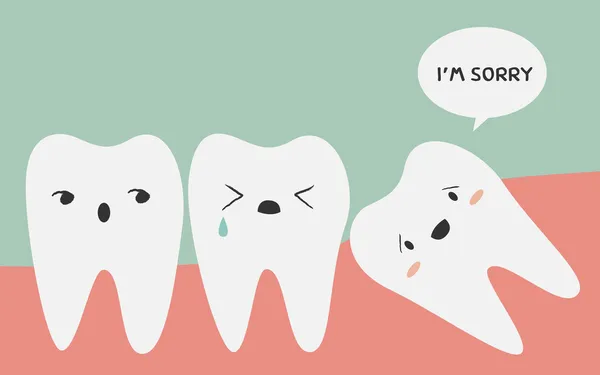
Wisdom teeth are the third molars, and they usually erupt between the late teens and mid-20s, which is why they often become an issue just as adult dental patterns are stabilizing. Their late arrival matters because many jaws do not have enough room for four additional molars, so pressure, crowding, and an impacted wisdom tooth become common findings rather than rare exceptions.
Limited space can create jaw pain, jaw stiffness, red gums, and food traps that are almost impossible to clean well at home. When a tooth only partly emerges, bacteria can collect around the gumline and trigger pericoronitis, a painful inflammation that often returns unless the area becomes fully cleansable or the tooth is removed.
Not every patient needs wisdom tooth extraction, and that distinction is clinically important. A fully erupted wisdom tooth that is healthy, aligned, and easy to brush and floss may be monitored over time, which means the decision should be based on anatomy and disease risk, not on a blanket rule.
Common Eruption Patterns That Raise Risk
Partial eruption is one of the most troublesome patterns because a flap of gum can sit over the tooth and trap debris. That environment increases gum swelling, bad odor, and infection risk, and it can progress toward gum disease when the area stays chronically inflamed.
Angled or impacted teeth can push against neighboring molars or irritate surrounding tissue during chewing. In more advanced cases, patients report difficulty opening mouth, tenderness near the jaw joint, and repeated flare-ups that interfere with sleep or eating.
How Dentists Confirm Whether Extraction Is Needed
A dentist does not decide on extraction from symptoms alone because pain can come from several sources, including sinus pressure, clenching, or cavities elsewhere in the mouth. At Kuzma DDS Cosmetic & Implant Dentistry, evaluation typically combines a clinical exam with imaging to assess eruption status, gum health, decay, bite effects, and whether headaches or facial pressure may be linked to the wisdom teeth.
This diagnostic step matters because surgical extraction planning depends on anatomy, not guesswork. Guidance from organizations such as Mayo Clinic and Cleveland Clinic consistently supports using both examination and imaging to determine whether a tooth is impacted, infected, damaging adjacent structures, or likely to become harder to treat later.
Dentists also weigh the full risk profile, including prior infections, cleaning access, damage to nearby teeth, and whether symptoms keep returning. That broader view helps distinguish a tooth that can be watched safely from one that is likely to cause repeated disease or require more complex treatment later.
Imaging and Findings That Commonly Drive the Decision
Imaging shows whether the impaction is soft tissue or bony, the angle of eruption, and how close the roots are to the inferior alveolar nerve. Those details shape both the recommendation and the surgical approach because nerve proximity can affect how carefully a wisdom tooth extraction must be planned.
X-rays also reveal tooth decay on the wisdom tooth itself or distal decay on the second molar next to it, which is one of the most important reasons not to delay care. If a hard-to-clean wisdom tooth is causing bad breath, recurrent inflammation, or damage to the second molar, the problem is no longer isolated to one tooth.
What the Extraction Process Typically Looks Like
The extraction process varies with position, root shape, and whether the teeth have erupted fully or remain buried in bone. Some teeth can be removed with a simple extraction, while others require an oral surgery approach because bone removal or sectioning of the tooth is needed.
Procedure length depends on the number of teeth and the complexity of impaction, but the goal is always controlled removal with minimal trauma to surrounding tissue. Patients dealing with pain, infection, or overcrowding often benefit from understanding that treatment is planned in advance rather than improvised at the chair.
For patients who need a surgical approach, Oral Surgery services provide the framework for diagnosis, removal, and post-operative care. That continuity matters because the same planning used to decide on extraction also guides comfort measures, healing expectations, and complication prevention.
Sedation and Comfort Options
Local anesthesia is standard for wisdom tooth removal, and sedation may be recommended when the case is more complex or the patient has significant dental anxiety. Comfort planning is not cosmetic; it improves cooperation, reduces stress, and can make longer procedures more manageable.
Patients receiving sedation should arrange transportation and follow pre-op instructions carefully, especially regarding eating, drinking, and medications. Those instructions also help reduce preventable issues such as nausea, delayed recovery, or missed findings when nearby cavities or other concerns are being treated at the same time.
Recovery Timeline and What’s “Normal” vs. Concerning
The first 24 hours focus on protecting the blood clot, since early disruption can delay healing and increase pain. Mild oozing, some bleeding gums near the site, and soreness are expected, while days 2 and 3 often bring peak swelling before gradual improvement begins.
Hydration, soft foods, and gentle oral hygiene are the basic tools that support recovery and lower complication risk. Patients who keep the area clean without disturbing the site are less likely to develop trapped debris, bad taste, or deep periodontal pockets around neighboring teeth.
Concerning signs include worsening pain after initial improvement, persistent bleeding, fever, foul odor, or swelling that keeps increasing. Those patterns suggest that the healing course is changing, which is more clinically meaningful than pain alone because it can indicate infection or clot loss.
Dry Socket: How to Reduce Risk
Dry socket happens when the blood clot is lost too early, exposing bone and causing stronger pain a few days after extraction. The risk rises with smoking after extraction, using straws after extraction, and vigorous rinsing, all of which create suction or irritation that can dislodge the clot.
Following post-op instructions closely is the best prevention strategy, especially during the first several days. Although uncommon, imaging may also be needed later if symptoms suggest a retained fragment, infection, or another issue such as a cyst rather than routine healing discomfort.
When to Call a Dentist and Next Steps
If wisdom tooth pain, swelling, recurrent infection, or chewing problems last more than a few days, keep returning, or interfere with eating or sleeping, it is time for an evaluation. Patients can be assessed by Matthew Kuzma, DDS, or Anna Sukhova , DDS at Kuzma DDS Cosmetic & Implant Dentistry, where the exam can determine whether monitoring, treatment, or extraction is the safer course.
Insurance and benefits may also shape timing, and many patients review coverage details through carriers such as Delta Dental before scheduling care. If you are noticing these signs, schedule an appointment or call 707-422-8404 to discuss symptoms, imaging, and the right timeframe for treatment.
Key Takeaways to Remember
Pain, swelling, recurrent infection, and hard-to-clean impaction are the most common reasons dentists recommend removal. Dental X-rays, especially a panoramic X-ray, help confirm whether the issue is a temporary irritation or a structural problem that will likely continue.
A recurrent infection around a wisdom tooth is rarely just a one-time inconvenience because it signals an area the mouth cannot maintain well on its own. The most useful next step is a clinical exam paired with imaging, since that combination shows both whether removal is necessary and how complex it may be.
FAQs
How do I know when it’s time for my wisdom teeth to be removed?
Recurring pain, gum swelling, bleeding, bad breath, jaw stiffness, or repeated infections are common signs that you need an evaluation. X-rays that show impaction, decay, or damage to nearby teeth also strongly support removal.
Is 26 too old to remove wisdom teeth?
No, 26 is not too old for wisdom tooth extraction. Removal can be done well beyond that age, although healing and surgical complexity depend on tooth position, root development, and overall oral health.
Wisdom teeth do not need to be removed automatically, but they should not be ignored when symptoms or imaging suggest ongoing risk. A timely exam can prevent repeated infections, protect nearby molars, and make treatment more predictable if extraction becomes necessary.


