Dental Blog - Fairfield, CA
Tips, Facts, And The
Latest In Dentistry

What Is a Zirconia Dental Bridge? A Complete Guide for Fairfield, CA Patients
What Is a Zirconia Dental Bridge? A Complete Guide for Fairfield, CA Patients
Missing a tooth can feel like a small problem until chewing changes, food traps become constant, or nearby teeth start shifting. When patients want a strong, natural-looking replacement without a removable partial, understanding What Is a Zirconia Dental Bridge? A Complete Guide for Fairfield, CA Patients can clarify whether zirconia is the right material and whether a bridge is the right type of restoration. This guide explains how zirconia bridges work, the options available in Fairfield, CA, and what to expect for cost, longevity, and maintenance.
Zirconia Dental Bridges: The Basics (And Why They’re Used)
A dental bridge is a fixed restoration that replaces one or more missing teeth by “bridging” the gap with an artificial tooth (called a pontic) supported by teeth or implants. Leaving a gap can lead to drifting teeth, bite changes, uneven occlusion, and a higher risk of bone loss in the missing-tooth area over time.
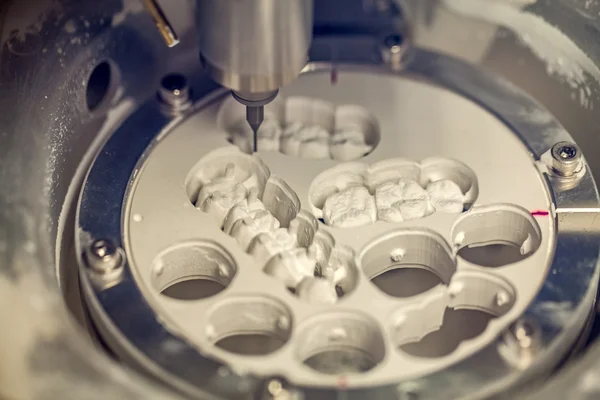
Zirconia is a ceramic made from zirconium dioxide that can be milled into crowns and bridges. Patients often choose it because it is tooth-colored, biocompatible, metal-free, and known for strength and durability.
One common source of confusion is that “bridge” can mean two different support systems. Some bridges are tooth-supported bridges anchored to abutment teeth, while others are implant-supported bridges attached to dental implants.
For Fairfield, CA patients, the decision usually comes down to function, esthetics, allergies or metal sensitivity, and budget. A practical treatment plan also considers your bite forces, gum health, and whether you want to preserve adjacent teeth by choosing implants instead of reshaping natural teeth.
If you want to speak with the team at Kuzma DDS Cosmetic & Implant Dentistry, you can call 707-422-8404 or use the online option to contact us. You can also learn more about the practice at Kuzma DDS Cosmetic & Implant Dentistry.
Types of Zirconia Bridges and When Each Makes Sense
Zirconia can be used across several bridge designs, and the “best” design is the one that matches your anatomy, bite, and long-term maintenance ability. The most common types include:
- Traditional bridge (tooth-supported): Best when adjacent teeth already need crowns or when implants are not ideal.
- Cantilever bridge: Used in limited cases where support is on only one side, and bite forces are carefully controlled.
- Zirconia implant bridge: Ideal when you want to avoid reshaping neighboring teeth and preserve bone with implants.
- Full-arch fixed zirconia bridge: Often chosen when replacing many or all teeth in an arch with implant support.
Zirconia material selection also matters because not all zirconia is the same. Solid zirconia and high translucent zirconia balance strength and translucency differently, so your dentist may recommend one over the other depending on where the bridge sits in your mouth.
Candidacy usually depends on:
- How many teeth are missing and where the gap is located
- Bite forces and chewing patterns, including bruxism
- Gum health and the results of a periodontal evaluation
- Bone levels if implants are being considered
- Cosmetic priorities in the smile zone versus back teeth
Solid Zirconia vs High Translucent Zirconia
Solid zirconia is often selected for posterior bridges and patients with heavy bite forces. It is valued for strength, but it still needs careful occlusion design and bite adjustment to reduce the risk of excessive wear on opposing teeth.
High translucent zirconia is chosen when appearance is a top priority, especially for visible teeth. It can deliver more lifelike shade matching, although in some cases it may trade a bit of strength for improved translucency.
Full-Arch Zirconia Fixed Bridges (Implant-Retained)
A zirconia fixed bridge for a full arch is a stable restoration secured to implants, typically as a screw-retained bridge. This approach is popular for patients who want a non-removable solution and do not want a denture that comes in and out.
Full-arch cases are complex and require coordinated surgical and prosthetic planning, including imaging, bite analysis, and long-term maintenance strategy. In Fairfield, CA, Dr. Matthew Kuzma is known for implant-based solutions that combine functional planning with esthetic goals, particularly when patients are comparing a full-arch bridge to other full-arch prosthesis options.
If you want to explore how a fixed option works in more detail, you can review the practice page for a zirconia bridge. For background education and related topics, the practice blog can also be helpful.
Benefits, Tradeoffs, and Common Mistakes
Zirconia bridges are popular because they check many boxes at once. They can be strong, biocompatible, stain resistant, and highly esthetic without the metal line associated with some older restorations.
Key benefits many patients notice or value include:
- Strength and durability for everyday chewing
- Metal-free appearance and no dark margin at the gumline
- Good color stability and stain resistance compared with more porous materials
- Predictable fit using modern digital scanning and milling workflows
- Generally favorable tissue response because zirconia is biocompatible
Tradeoffs and limitations are still important to understand before committing. Depending on design and bite, some zirconia restorations can chip (more commonly in layered cases), and repairs can be more complex than with some other materials.
Other limitations can include:
- Translucency differences compared with porcelain or other highly esthetic ceramics in certain lighting
- Risk of wear to opposing teeth if occlusion is not properly designed or maintained
- Limited “quick fix” options if a section fractures, since replacement may be the most predictable solution
A bridge may not be recommended when the foundation is not stable. Common reasons include untreated gum disease, poor home care, uncontrolled bruxism, insufficient bone for implants (for an implant-supported bridge), or compromised abutment teeth (for a tooth-supported bridge).
A bridge restores function and appearance, but it is not maintenance-free. Long-term success depends on home care, professional cleanings, maintenance visits, and periodic checks for bite changes.
Common Mistakes to Avoid With Any Fixed Bridge
Skipping a nightguard when you clench or grind is one of the fastest ways to shorten the lifespan of a bridge. Bruxism can overload zirconia, the supporting teeth or implants, and even the opposing teeth, so protection matters.
Another common mistake is inadequate cleaning under the bridge. Using a floss threader, interdental brushes (if recommended), and/or a water flosser helps reduce inflammation around implants and lowers the risk of decay around tooth-supported bridge margins.
Cost and Longevity: Practical Answers for Fairfield, CA
Bridge pricing varies because the restoration is only one part of the total treatment plan. Your cost breakdown can change significantly based on the number of units, whether the bridge is tooth-supported or implant-supported, and whether you need supporting procedures.
Common factors that drive total cost include:
- Number of teeth being replaced and number of supporting units (crowns or implants)
- Type of bridge: traditional bridge vs zirconia implant bridge vs full-arch bridge
- Extractions, bone grafting, or other pre-implant procedures
- Lab complexity, esthetic layering, and zirconia type (solid zirconia vs high translucent zirconia)
- Sedation needs and the number of follow-up visits for adjustments and maintenance visits
Longevity is also case-dependent. Many bridges can last years to decades with proper care, but outcomes depend heavily on hygiene, bite forces, and regular dental visits for professional cleanings and occlusion checks.
Maintenance is not optional, especially for implants. Implant maintenance protocols may include checking tissue health, evaluating occlusion, ensuring screws remain stable in screw-retained bridge designs, and replacing worn nightguards when needed.
A simple “how to decide” checklist for Fairfield patients:
- Decide whether your priority is maximum strength, maximum esthetics, or a balanced approach
- Share your medical history, including diabetes control, smoking, and medications
- Be clear about your timeline, including travel, work constraints, and healing time tolerance
- Review budget and financing options, and ask for a written cost breakdown
- Consider risk tolerance for surgery (implants) versus reshaping adjacent teeth (tooth-supported)
How Long a Zirconia Bridge Can Last
A zirconia dental bridge can last for many years and sometimes decades when the foundation stays healthy and the bite is stable. The biggest “lifespan multipliers” are consistent oral hygiene, routine exams, and proactive protection if you grind.
Factors that tend to extend lifespan include:
- Stable occlusion with timely bite adjustment when needed
- Daily cleaning under the bridge with the right tools
- Treating gum disease early and keeping inflammation controlled
- Routine professional cleanings and periodic imaging when indicated
- Wearing a nightguard if you have bruxism
Factors that commonly shorten lifespan include:
- Smoking, which can worsen gum and implant tissue health
- Uncontrolled diabetes, which can impair healing and increase inflammation risk
- Persistent grinding without a nightguard
- Missed cleanings and delayed repairs when small issues start
- Poor fit or unmanaged bite discrepancies that overload the bridge or abutments
A zirconia bridge can be a practical, long-term way to restore chewing, appearance, and confidence when it is planned around your bite, gum health, and daily maintenance habits. If you are in Fairfield, CA and want a personalized recommendation, schedule a consultation with Dr. Matthew Kuzma’s team at Kuzma DDS Cosmetic & Implant Dentistry by calling 707-422-8404 or visiting the online contact us page.